Charlton McIlwain, Vice Provost for Faculty Engagement and Development and Professor of Media, Culture, and Communication, New York University
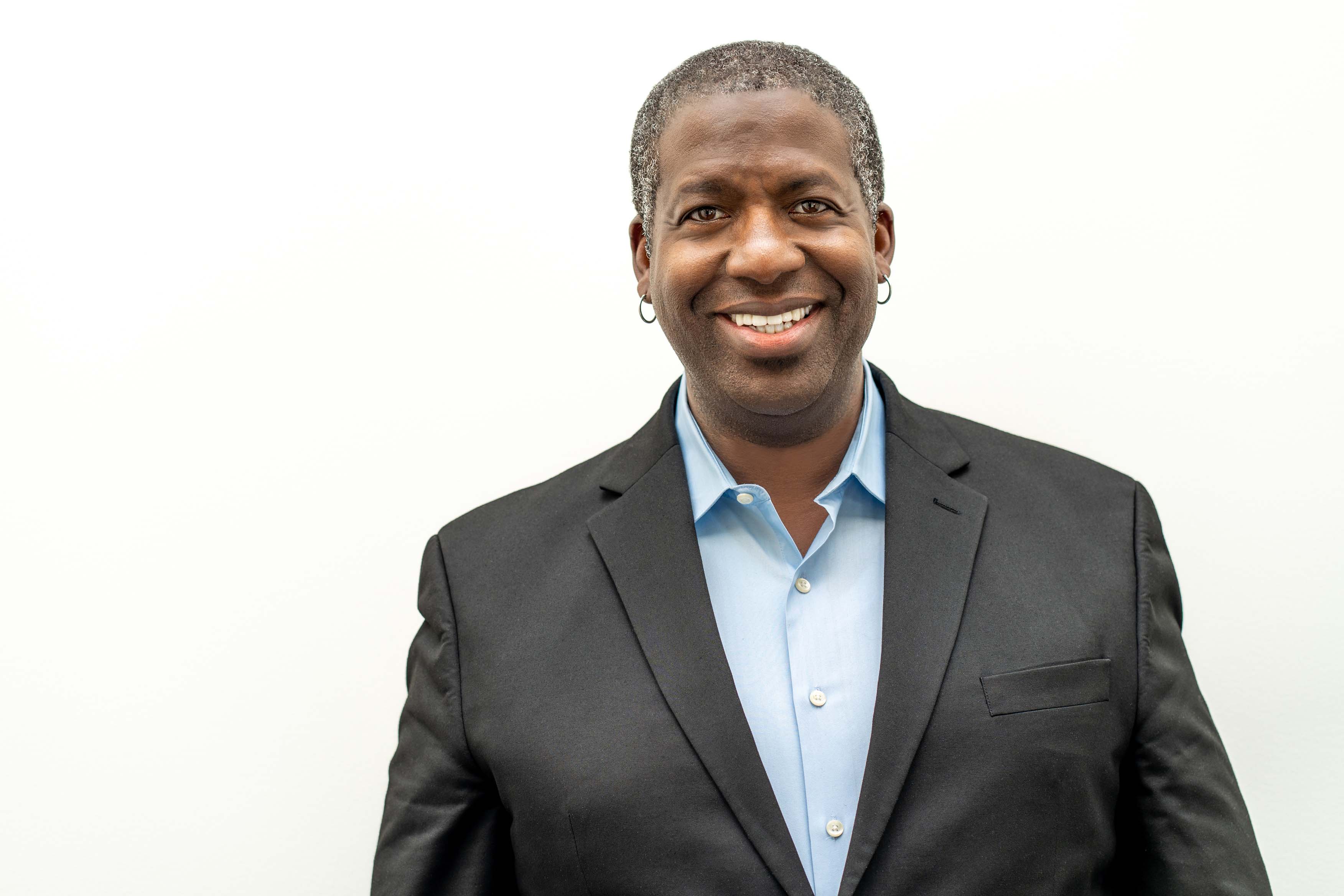
Author of the recent book, Black Software: The Internet & Racial Justice, From the Afronet to Black Lives Matter, Dr. Charlton McIlwain is Vice Provost for Faculty Development, Pathways & Public Interest Technology at New York University, where he is also Professor of Media, Culture, and Communication. He works at the intersections of computing technology, race, inequality, and racial justice activism. He has served as an expert witness in landmark U.S. Federal Court cases on reverse redlining/racial targeting in mortgage lending and recently testified before the U.S. House Committee on Financial Services about the impacts of automation and artificial intelligence on the financial services sector. He is the author of the recent PolicyLink report Algorithmic Discrimination: A Framework and Approach to Auditing & Measuring the Impact of Race-Targeted Digital Advertising. McIlwain is the founder of the Center for Critical Race & Digital Studies, and is Board President at Data & Society Research Institute. He was recently appointed to the U.S. National Committee For CODATA, and serves on the executive committee as co-chair of the ethics panel for the International Panel on the Information Environment.
Open worlds and the limits of datafication
Lucy Suchman, Professor Emerita of Anthropology of Science and Technology, the Department of Sociology, Lancaster University
The aim of this talk is to anchor debate about the efficacy of algorithmic technologies in their politics, raising a set of questions otherwise absent from the discussion. To start with some basics: Who defines the problem to be addressed and how is the range of possible solutions predetermined and circumscribed as a matter of technology, and more specifically in the current moment AI? Given the necessary reductions, and inevitable erasures, involved in datafication – the prerequisite for AI – what does it mean to engage responsibly in the development of algorithmic systems? And what would it mean to put AI in its place, considered as one useful but limited tool within a wider set of methods for the diagnosis of complex problems and collective work toward just resolutions?
My own engagement with these questions has been focused on the domain of data-driven warfighting, which is where the expansion of algorithmic systems has its most immediately lethal effects. Data driven warfighting and the martial epistemologies that sustain it are based in the technopolitical imaginary named by historian of science Paul Edwards as the closed world. My argument in brief is that, as a product of closed world imaginaries materialised from the plantation to the factory floor to the battlespace, the project of AI systematically denies the uncontainable openness of its worlds, including in this case the constitutive outsides of the machine that militarism imagines itself to be. It is in those outsides, I will argue, that the possibilities lie for recovering the realities that escape datafication, and opening new spaces for restorative future making.
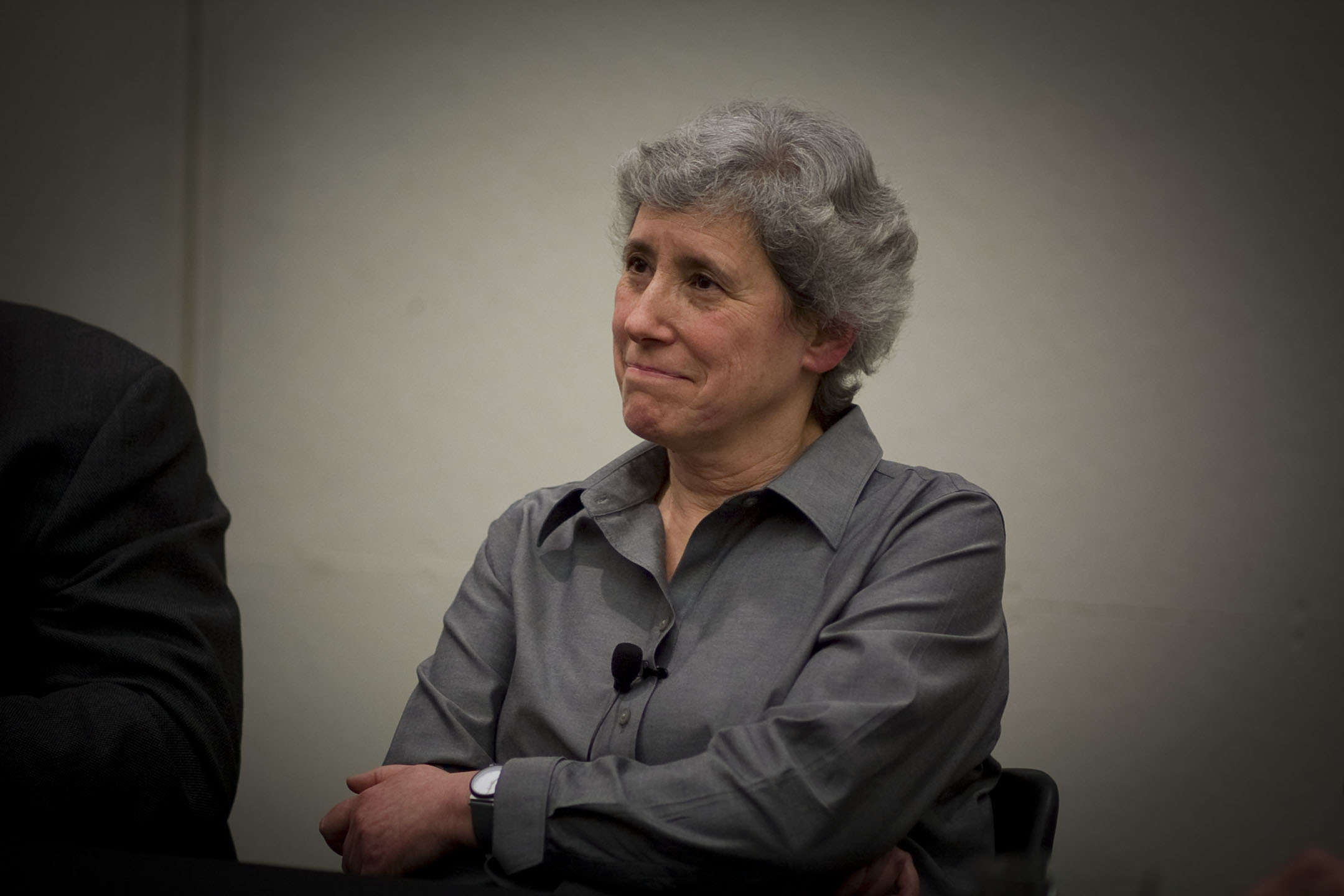
Lucy Suchman is Professor Emerita of the Anthropology of Science and Technology at Lancaster University in the UK. Before taking up that post she was a Principal Scientist at Xerox’s Palo Alto Research Center (PARC), where she spent twenty years as a researcher. In 2010 she received the Lifetime Research Award from the Association of Computing Machinery (ACM) Special Interest Group on Computer-Human Interaction. Her current research extends her longstanding critical engagement with the fields of artificial intelligence and human-computer interaction to the domain of contemporary militarism. In the early 1980s Lucy was a founding member of Computer Professionals for Social Responsibility and is a current member of the International Committee for Robot Arms Control. She is the author of Human-Machine Reconfigurations (2007) and currently focuses on developments in AI-enabled warfighting; a full publication list can be found on her website.
AI Beyond the Tyranny of the Average
Jutta Treviranus, Director of the Inclusive Design Research Centre (IDRC) and Professor of Design, OCAD University
What is the impact of AI if your life is too unpredictable and complex for prediction, your needs too improbable for probability, your data is identified as noise, and your data patterns are marked as suspicious or toxic? The keynote will explore the experiences of the most diverse marginalized minority and why meeting the challenges they offer to AI will lead to more transformative innovation.
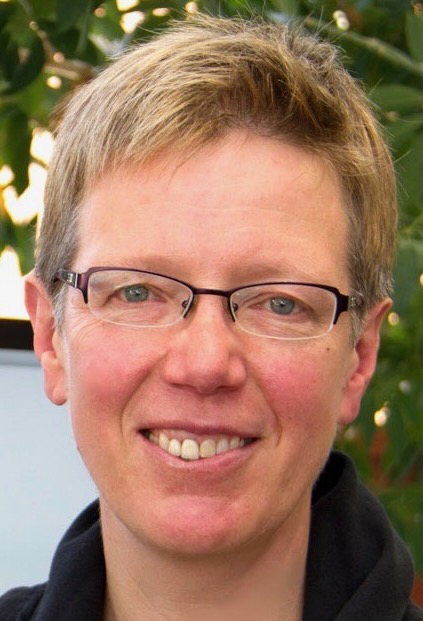
Jutta Treviranus is the Director of the Inclusive Design Research Centre (IDRC) and professor in the faculty of Design at OCAD University in Toronto (https://idrc.ocadu.ca). She established the IDRC in 1993 as the nexus of a growing global community that proactively works to ensure that our digitally transformed and globally connected society is designed inclusively. Dr. Treviranus also founded an innovative graduate program in inclusive design at OCAD University. Jutta is credited with developing an inclusive co-design methodology that has been adopted by large enterprise companies as well as public sector organizations internationally. Jutta has coordinated many research networks with and by people with disabilities. Jutta was recognized for her work in AI by Women in AI with the AI for Good - DEI AI Leader of the Year award as well as by Women in AI Ethics. She is the chair of the Accessible and Equitable Artificial Intelligence standards committee for the Accessible Canada Act.
Plenary Panel: AI and Climate Change
Tamara Kneese, Senior Research Scientist, Partnership on AI
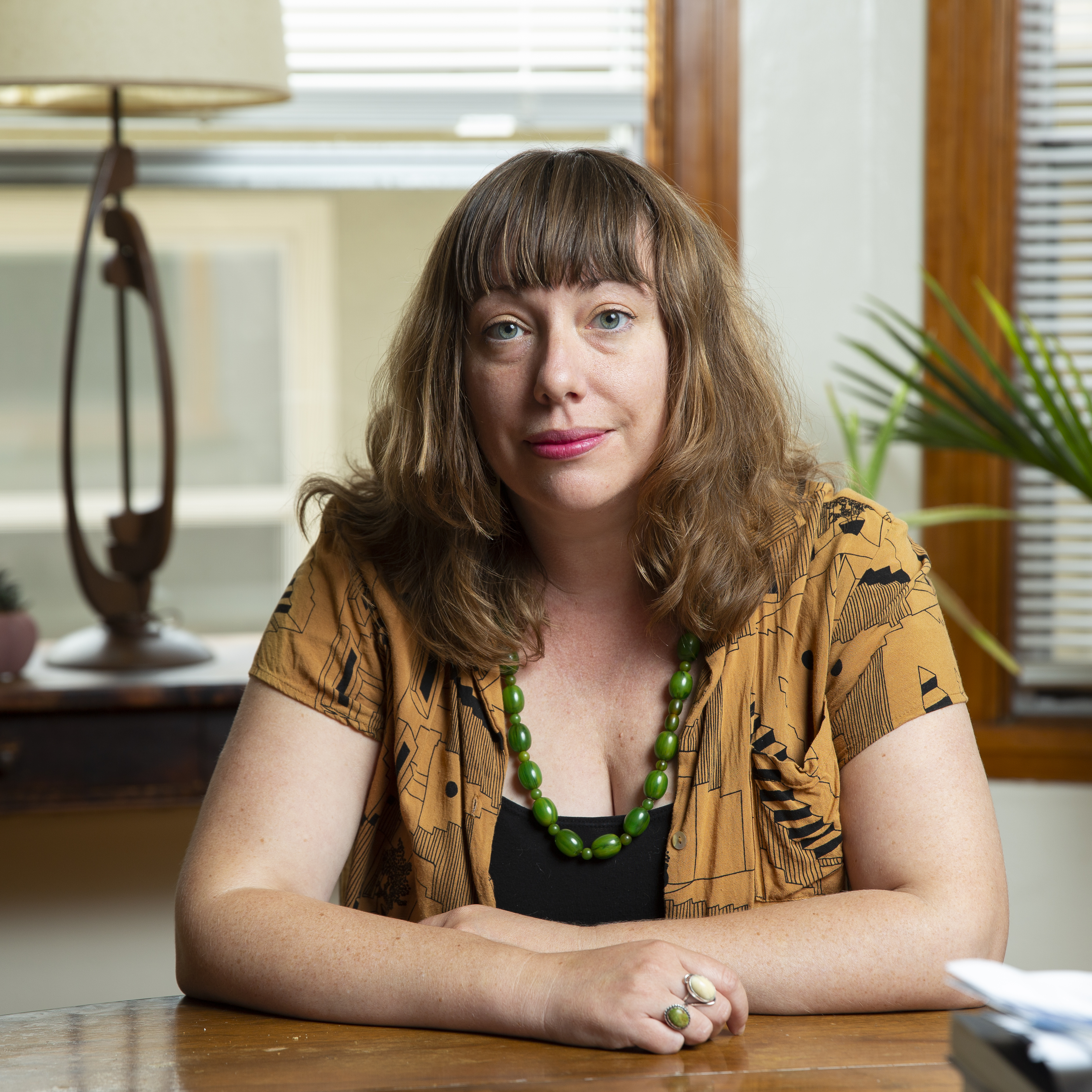
Tamara Kneese is a Senior Research Scientist at Partnership on AI. Previously, she directed Data & Society Research Institute’s Climate, Justice, and Technology program and led their Algorithmic Impact Methods Lab (AIMLab). In the past, she held positions at Intel and the University of San Francisco. She is the author of Death Glitch: How Techno-Solutionism Fails Us in This Life and Beyond (Yale University Press, 2023) and co-author of Notes Toward a Digital Workers’ Inquiry (Common Notions, 2025). Her work has appeared in leading academic journals including Social Text, Social Media + Society, and the International Journal of Communication and in popular outlets such as WIRED, The Verge, and The Baffler. She received her PhD in Media, Culture and Communication from NYU..
Sasha Luccioni, Climate Lead, Hugging Face
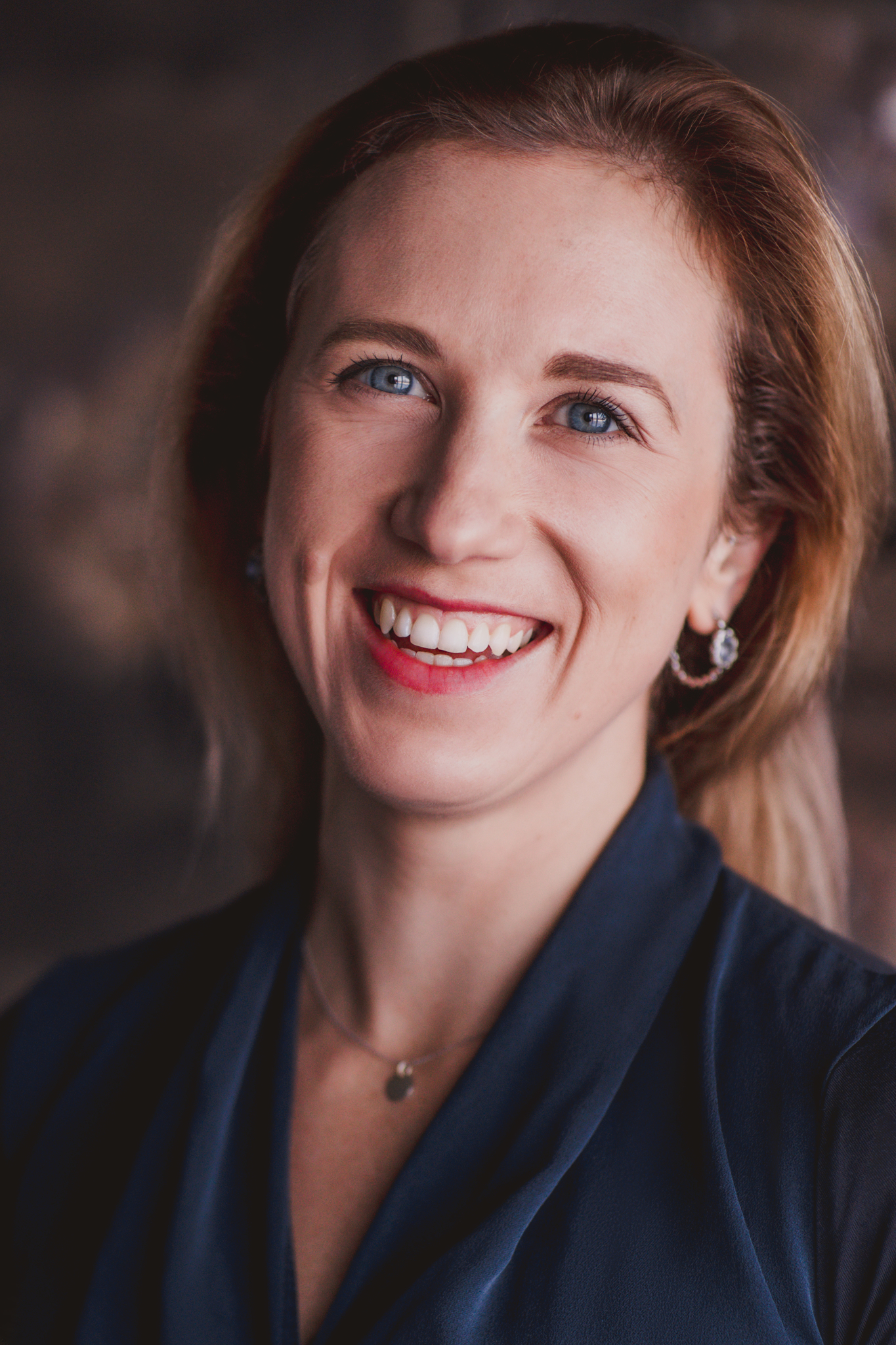
Dr. Sasha Luccioni is a leading scientist working at the intersection of artificial intelligence, ethics, and sustainability, with a PhD in AI and over a decade of research and industry experience. Sasha's work has helped shape how the field understands and measures the environmental impacts of AI, and has been featured in Nature, The Economist, MIT Technology Review, NPR, and the BBC. She has been recognized by TIME Magazine as one of the 100 most influential people in AI and by Business Insider on its 2024 and 2025 AI Power Lists. Beyond her research, Sasha is committed to catalyzing impactful change in the field — organizing events, mentoring under-represented minorities in AI, and advancing the public understanding of how AI shapes the world..
Anne Pasek, Associate Professor and Canada Research Chair in Media, Culture and the Environment, Trent University
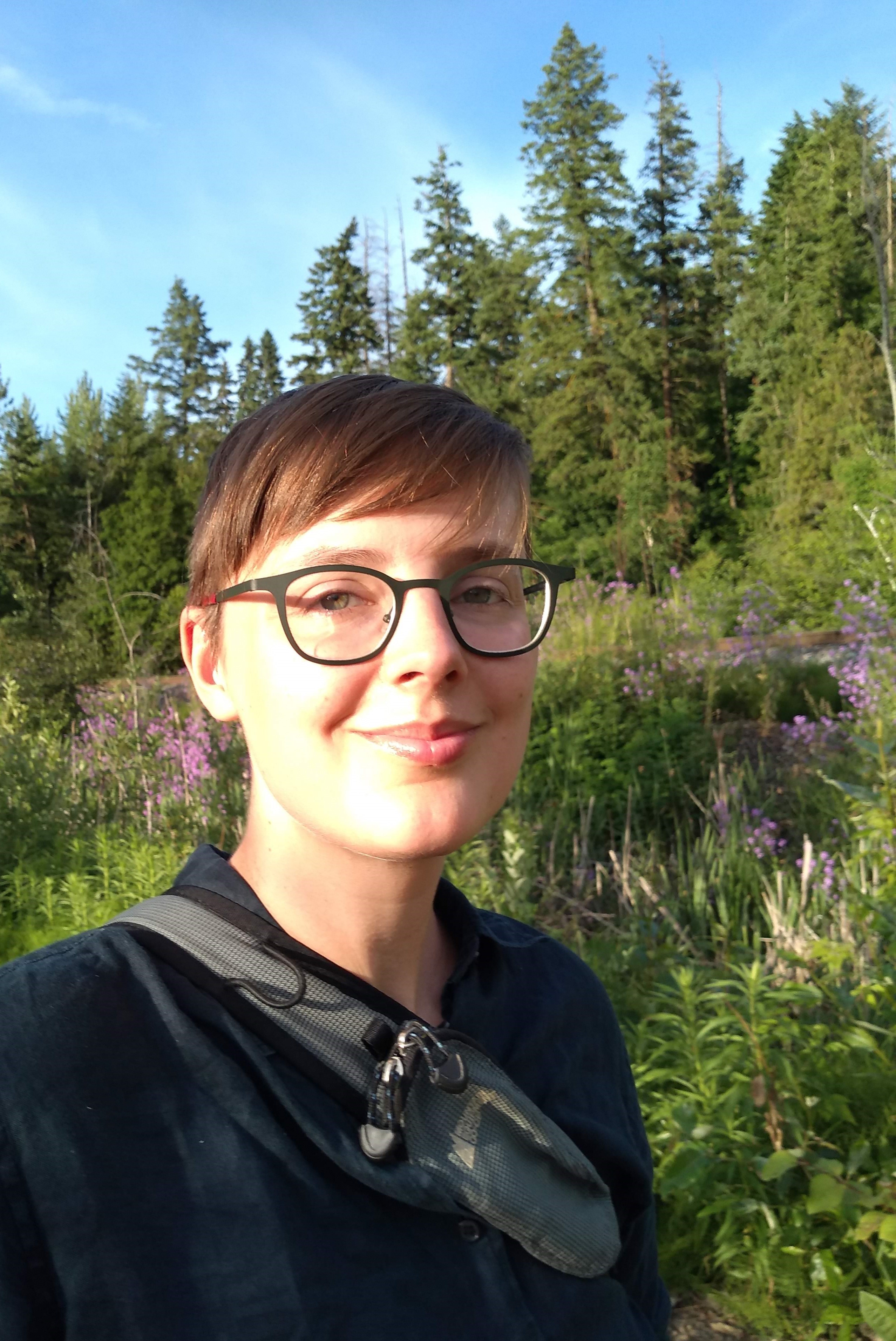
Anne Pasek is an Associate Professor and Canada Research Chair in Media, Culture, and the Environment at Trent University. Her research focuses on the political economy of the tech sector and its growing role in shaping climate policies and climate futures..
Emma Strubell, Raj Reddy Assistant Professor, Language Technologies Institute, Carnegie Mellon University
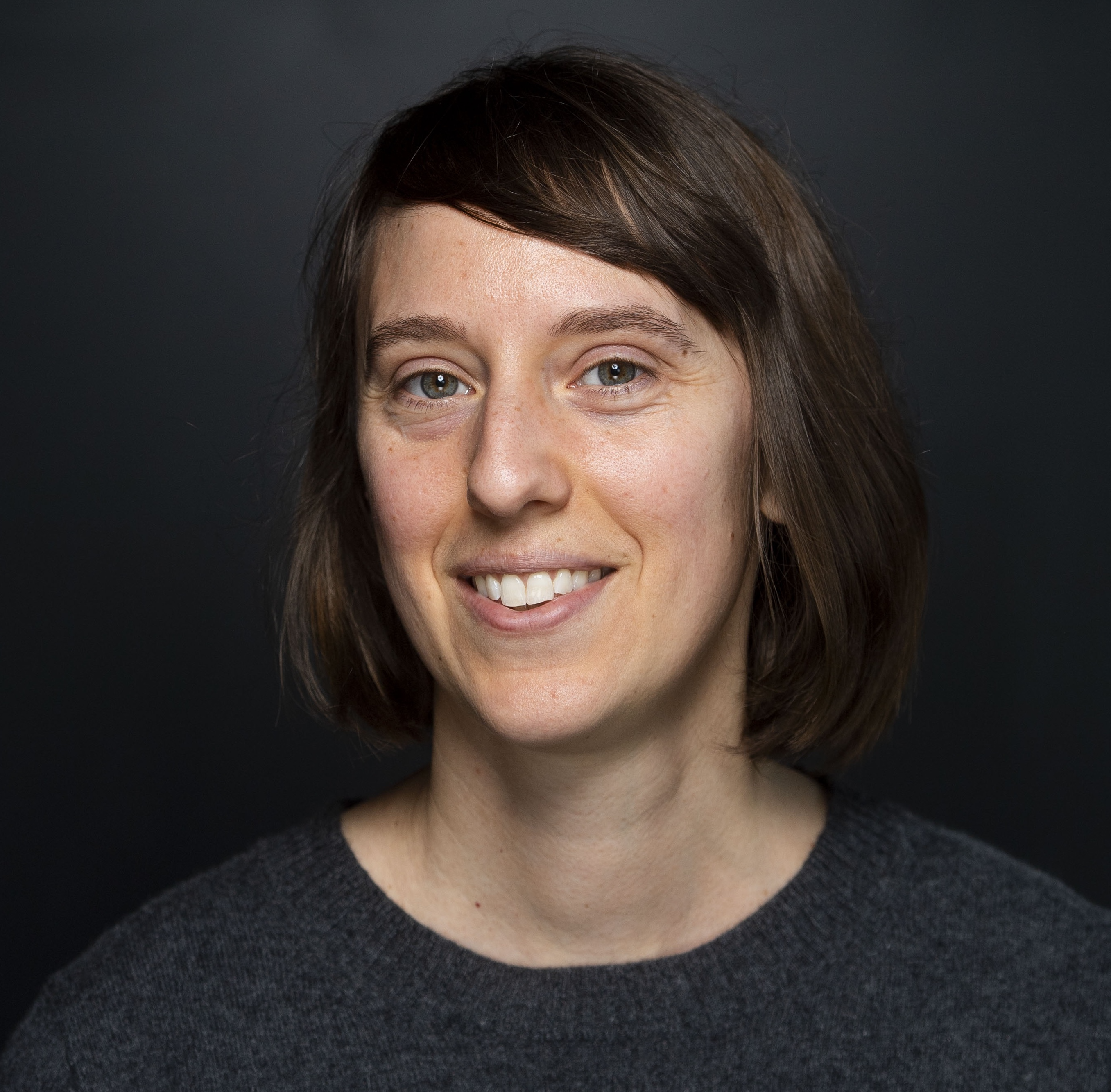
Emma Strubell is the Raj Reddy Assistant Professor in the Language Technologies Institute (within the School of Computer Science) at Carnegie Mellon University. Previously they held research scientist roles at Google, FAIR and the Allen Institute for AI after earning their doctoral degree in 2019 from the University of Massachusetts Amherst. Strubell’s research lies at the intersection of natural language processing and machine learning, with a focus on providing pragmatic solutions to practitioners who wish to gain insights from natural language text via computation- and data-efficient AI. Their work has been recognized with a Madrona AI Impact Award, best paper awards at ACL and EMNLP, and in 2024 they were named one of the most powerful people in AI by Business Insider..
Danica Pawlick-Potts, Assistant Professor in the Department of Communication and Media Studies at York University

Danica Pawlick-Potts is an Assistant Professor in the Department of Communication and Media Studies at York University. Her research examines Indigenous Data Sovereignty, data governance, and the sociotechnical design of research data infrastructures and emerging technologies. Her work focuses on how information systems can better recognize Indigenous authority, jurisdiction, consent, and community-defined protocols across the data lifecycle. She is currently developing community-led approaches to AI and digital health governance that support Indigenous communities in making informed decisions about emerging technologies. She also contributes to Indigenous governance and advisory work, including as Chair of the Connected Minds Indigenous Advisory Circle and as a member of the Indigenous Advisory Circle for the Respectful Terminology Platform Project.
Plenary Panel: Canadian AI Policy in a Global Context
Michael Karlin, Senior Advisor, Service Canada
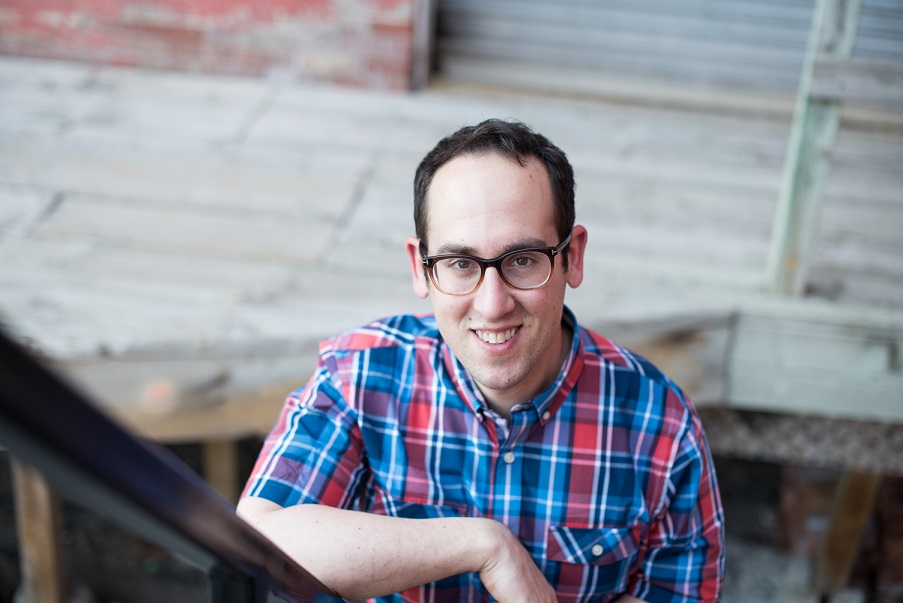
Michael Karlin is a Senior Advisor at Service Canada, where he specializes in the safety, policy, and governance of public-facing chat agents. Over a 12-year public sector career in AI and digital policy, he has advised three departments and agencies, developing the Government of Canada's internal policies and procedures regarding AI in critical systems such as the Directive on Automated Decision-Making and the Algorithmic Impact Assessment. His work focuses on ensuring AI systems serving the public are deployed responsibly, with robust safeguards that maintain trust and accountability..
Cynthia Khoo, Senior Fellow, Citizen Lab, Munk School of Global Affairs & Public Policy, University of Toronto
Cynthia Khoo is a technology and human rights lawyer and researcher, specializing in the intersection of emerging technologies, the Internet, human rights, civil liberties, and anti-oppression. Her expertise focuses on how digital technologies impact the equality, privacy, and free expression rights of historically marginalized groups. Cynthia is the founder of and principal lawyer at Tekhnos Law; a senior fellow at the Citizen Lab, and was formerly a senior associate at the Center on Privacy & Technology at Georgetown Law in Washington, DC. She is called to the Ontario Bar, and holds a J.D. from the University of Victoria and LL.M. (Law and Technology) from the University of Ottawa, where she worked as junior counsel at and represented the Samuelson-Glushko Canadian Internet Policy and Public Interest Clinic (CIPPIC) as an intervener in cases before the Supreme Court of Canada..
Joelle Pineau, Chief AI Officer, Cohere AI, and Professor of Computer Science, McGill University

Joelle Pineau is Chief AI Officer at Cohere, the security-first enterprise AI company. She plays a key role in the company's product strategy and oversees Cohere Labs, Cohere's research lab. She is also a professor at McGill University and a core academic member of Mila. Prior to Cohere, she was VP AI research at Meta, leading its Fundamental AI Research (FAIR) team. Based in Montreal, she holds a BASc in Engineering from the University of Waterloo, and an MSc and PhD in Robotics from Carnegie Mellon University..
Christelle Tessono, Doctoral Researcher, Faculty of Information, University of Toronto
Christelle Tessono is a Technology Policy Researcher currently pursuing her doctoral studies at the University of Toronto’s Faculty of Information. She’s also a Policy & Research Assistant at the Dais, a public policy and leadership think tank based at the Toronto Metropolitan University, where she supports their AI governance portfolio. Christelle recently completed a two-year research fellowship as an inaugural Emerging Scholar at Princeton University’s Center for Information Technology Policy (CITP). Her research tackles the relationship between racial inequality and digital technology from a policy lens. As a result, this has led her to work on projects related to political advertising on social media platforms, gig work, edtech, biometric surveillance, and AI regulation. Ultimately, Christelle’s work is concerned with assessing technology governance regimes, while also working towards imagining alternative frameworks grounded in transformative justice and care..
Paris Marx, author and technology critic

Paris Marx is a Canadian tech critic and host of the award-winning Tech Won’t Save Us podcast. He speaks around the world about the politics of technology and writes the Disconnect newsletter. Paris is the author of Road to Nowhere and his next book Hyperscale comes out in October.